

Heading
Close X
Menu

Buying From a Dealer vs Private Seller: What's The Difference

Buying a used car is and always will be a big decision, and one of the first things for you to consider is where do you buy your car from.
Some drivers choose to buy privately, often attracted by a lower price. Whereas others prefer the reassurance of buying through a dealership, where there's more support and protection in place.
Both options can work but are dependent on your current situation it's important to understand the differences before making a decision.
Buying from a private seller
Buying a car privately is often seen as the cheaper option due to the fact that sellers don't have the same overheads as a dealership which ultimately lowers the price of a vehicle.
However, with that lower price can come much more responsibility for the buyer.
When purchasing privately, you'll be relying on your own judgement to assess the vehicle which again, comes with it's advantages and disadvantages. It's important to remember that the seller isn't required to carry out checks or prepare the car to a particular standard. They must describe the car accurately, but they are not obliged to point out every issue unless asked.
Once the sale is complete, there is usually very little to no protection if something does go wrong. This means it's important to carry out your own checks, review the vehicle's history and feel confident in what you're buying before agreeing to the sale.
Buying from a dealership
Buying through a dealership often provides a more structured and supported experience as well as giving people peace of mind. While the price may be sometimes higher than a private sale, that extra cost often reflects the preparation, checks and support system that comes with it.
Vehicles sold by a dealership are (in most cases) inspected before being advertised, and they are often prepared for sale so they are clean and presentable for when you arrive at the dealership. In many cases, there may also be warranty cover included, depending on the vehicle and retailer.
Another key difference is that the dealers often offer extra services that make the process easier, such as:
That added reassurance is an important part of the decision for most buyers.
What is the difference in legal protection?
One of the biggest differences between dealer vs private seller is the level of legal protection.
When you buy a used car from a dealer, the vehicle must be described fit for purpose and of satisfactory quality which takes into account age, mileage and price. That gives buyers added reassurance if a serious issue comes to light after purchase.
When buying a used car privately, your protection is much more limited. The car must match its description, but you generally do not get the same level of cover as you would when buying through a dealership. In simple terms, if something goes wrong later, it can be much harder to resolve.
This is one of the main reasons some buyers are happy to pay a little more when buying through a dealer.
Is buying privately always cheaper?
In most cases, yes. Buying a used car privately is often the lower-cost option upfront, but a lower purchase price does not always mean better value overall.
If the car needs repairs shortly after you buy it, those savings can quickly disappear. A vehicle that looked like a bargain at first can become more expensive if there are unexpected faults, missing history or problems with the paperwork.
That does not mean private sellers should be avoided, it simply means the cheapest option is not always the most straightforward one.
Choosing the right option for you
The right choice depends on what matters most to you as a buyer. If your main priority is the lowest possible price and you feel confident checking a car carefully yourself or with people you may know, buying a car privately may suit you. If you are someone that prefers a bit more reassurance, clearer consumer protection and more support throughout the process then buying a used car from a trusted dealer may feel like a safer option.
Neither route is automatically right or wrong, it's more about choosing the option that best matches your experience and budget.
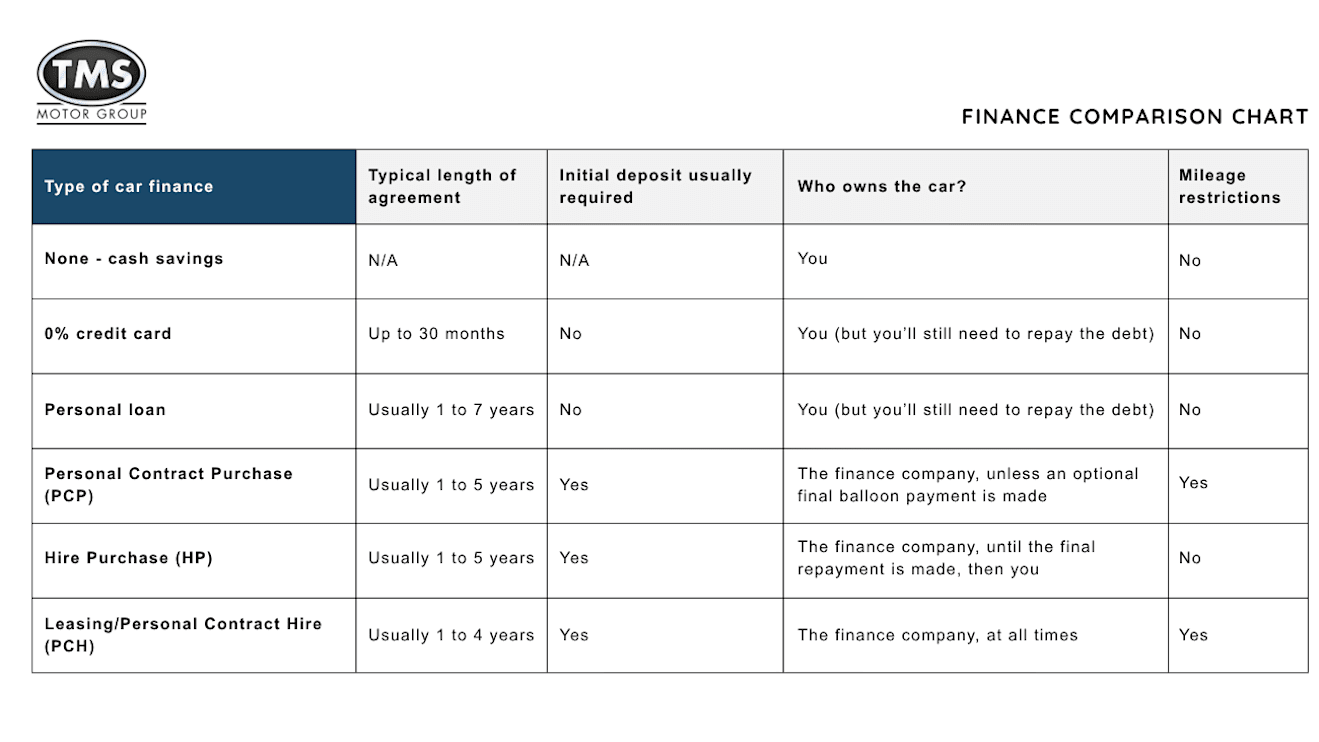
Choosing the right type of finance can feel a bit overwhelming at first, especially when each option works slightly differently.
To make things clearer, we've put together a simple comparison of the main finance types.
Things to check before you make your decision
The most important thing to remember when buying a car is to always take your time, it can be very easy to rush into things, especially if you see a car you like the look of. Whether you are buying from a dealer or a private seller it's always worth doing a few essential checks before you make your final decision.
Make sure you look at:
When comparing buying from a dealer vs private seller, the main difference usually comes down to price versus peace of mind. A private sale may be cheaper, but it often comes with more responsibility and less protection for the buyer. Buying a used car from a dealer may cost more, but people value the added reassurance and support that comes with it.
Whichever route you choose, taking the time to research the car properly and ask the right questions can make all the difference.